
Choosing the right AS5488 quality level in 2026
Published on 3/9/2026 by HR Utilities
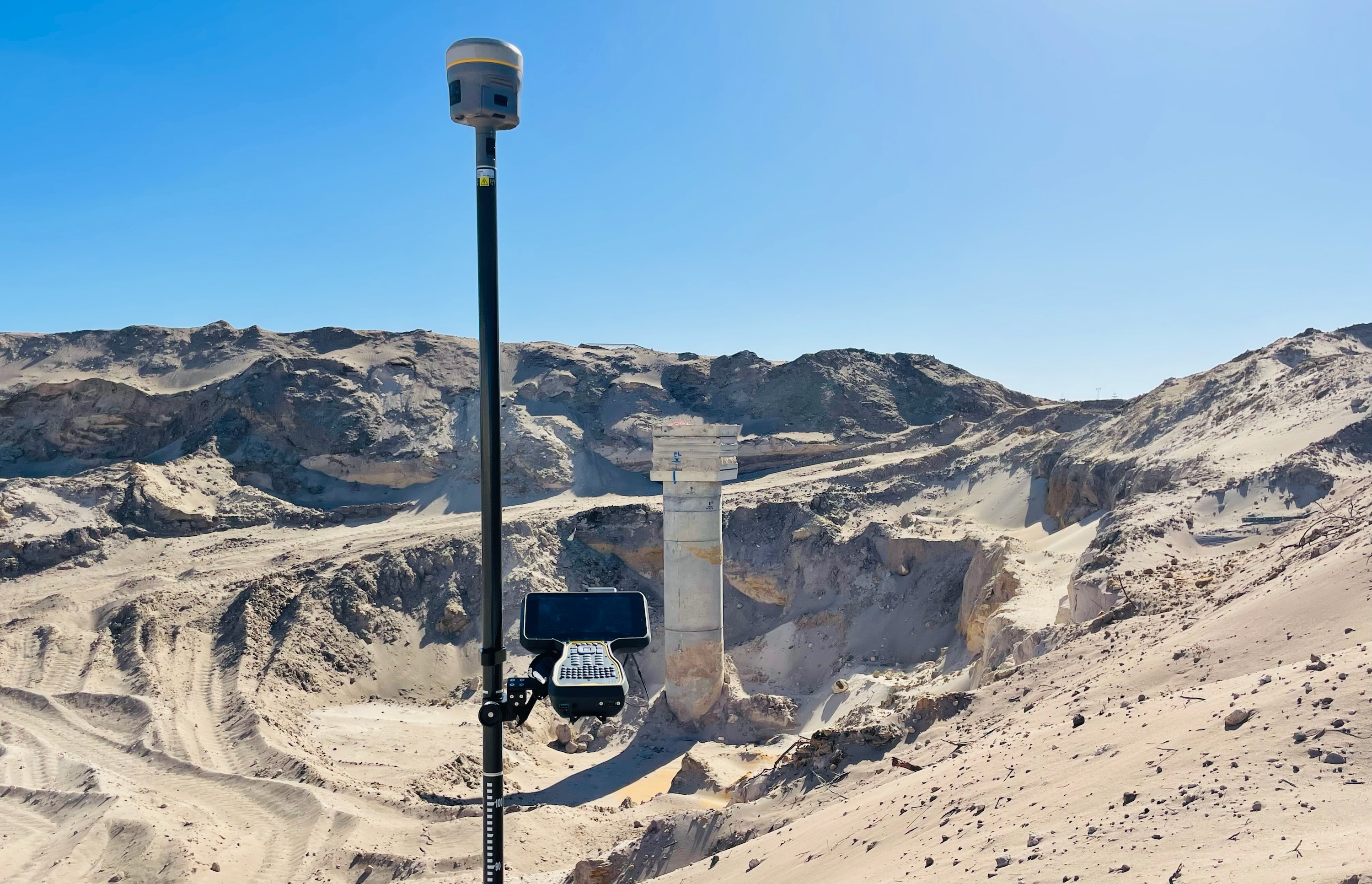
Underground utilities cause more project headaches than most teams anticipate. A cable strike. An unplanned redesign. These rarely happen because someone was careless. They happen because the quality of subsurface information didn’t match what the project actually needed.
AS5488:2022 gives Australian projects a clear framework for managing that risk. Knowing that Quality Levels D through A exist is one thing. Knowing which one to use, when, and why it matters commercially is another.
This article is your decision guide. If you want the full breakdown of what AS5488 is and how each QL is defined, start with our Australian Standard AS5488 foundational article. Then come back here when you’re making a real call on a live project.
The four quality levels at a glance
A quick reference before the decision guide:
- QL-D covers existing records and plans: BYDA responses, as-builts, historical data. No field verification.
- QL-C adds a survey of visible surface features like manholes, pits, and valve boxes.
- QL-B detects utilities geophysically and positions them horizontally by survey using EML and GPR.
- QL-A physically exposes utilities via NDD vacuum excavation and captures verified 3D coordinates.
Each level increases confidence. Each level also increases cost. The goal is staged escalation based on what the project actually needs at each phase, not a strict requirement for the highest level everywhere.
Which quality level for which project stage?
This is where most projects either overspend or carry too much risk. The answer changes as the project progresses, and it usually sits somewhere in the middle.
| Project stage | Typical minimum QL | When to escalate |
|---|---|---|
| Feasibility / early planning | QL-D or QL-C | When alignment starts to consolidate |
| Detailed design | QL-B | Congested or high-risk corridors |
| Pre-construction | Targeted QL-A | Confirmed design clash points |
| Construction | QL-A | Before excavation near any critical service |
Feasibility doesn’t need vacuum excavation. Detailed design doesn’t always need physical exposure. What changes the equation is corridor complexity combined with the consequence of being wrong.
A greenfield road in a low-density area looks completely different from a metro rail corridor threading through 40 years of urban services. Same standard, different risk profile, different QL decisions.
When QL-A is specifically required
QL-A is the only level that removes positional uncertainty. It gives you 3D coordinates to within 50mm, verified by actual exposure rather than inference. That matters a lot in some situations and much less in others.
QL-A is generally required where:
- Structural footings or piles intersect known service corridors
- Trenchless installations such as HDD or pipe jacking are proposed
- Depth tolerance is critical with no margin for error
- The asset is high-consequence: gas transmission, live HV cables, communications trunk lines
Outside those scenarios, a well-executed QL-B program with targeted QL-A at clash points will protect the project without the cost and program impact of widespread physical verification.
Worth flagging: the mistake is rarely “we did QL-A when we didn’t need to.” Expensive, but survivable. The more common problem is the reverse. Relying on QL-D plan data through to detailed design, then scrambling when the field reality doesn’t match the records.
A workflow from BYDA to digital output
A utility investigation runs in sequence. Skipping steps, or running them out of order, is where projects run into trouble.
-
Request records via Before You Dig Australia. Identify relevant asset owners and collect all available plan data. This forms the QL-D baseline, not the endpoint.
-
Desktop review. Go through the BYDA plans critically. Look for gaps, aged records, and assets with no plan coverage. This shapes the scope of field investigation.
-
Corridor-wide detection with survey integration. Deploy EML and GPR across the full project corridor. Coordinate all detections with survey pickup to create a QL-B dataset before any design decisions get locked in.
-
AS5488 confidence labelling. Every utility gets attributed with a Quality Level. Records with no field confirmation stay at QL-D. Detected utilities with survey pickup move to QL-B. The dataset is honest about what it knows and what it doesn’t.
-
Targeted physical verification. Design clash analysis identifies where QL-B is insufficient: confirmed intersections, tight tolerances, high-risk assets. NDD vacuum excavation goes to those specific points only.
-
Structured digital outputs. Final deliverables in CAD and GIS-ready format, attributed per AS5488.
Understand the corridor first. Verify only where necessary. Projects that kick off with widespread QL-A excavation before design is resolved spend a lot of money and still find surprises later.
The 2026 compliance shift: GeoJSON and structured digital delivery
One practical change worth knowing about for 2026: structured digital delivery is moving from a nice-to-have to a baseline expectation on many projects.
GeoJSON is becoming the preferred and encouraged format for utility data handover into GIS and asset management systems. Where projects previously accepted CAD plans and PDF plots, infrastructure owners and state agencies are increasingly specifying machine-readable, GIS-compatible outputs from the outset.
For project teams, this means specifying the digital deliverable format at the kickoff stage before the investigation is complete. An AS5488-attributed dataset in GeoJSON is substantially more useful downstream than the same data in a static DWG or a printed plan set. If your investigation contractor isn’t delivering GeoJSON alongside CAD, ask about it before they mobilise.
How AS5488 fits with international standards
Australia’s framework doesn’t sit in isolation. AS5488:2022 aligns closely with ASCE 38-22 in the United States and PAS 128 in the United Kingdom. All three are built around the same core principle: better quality information, gathered earlier in the project lifecycle, reduces construction surprises.
The naming conventions differ slightly across jurisdictions, but the underlying logic is consistent. If your project involves international stakeholders or feeds into a global infrastructure program, the Quality Level framework translates across borders without much adaptation.
The commercial case for getting this right
Utility conflicts are one of the leading causes of construction variation claims in Australia. The cost of a strike goes well beyond the repair bill: traffic management, service reinstatement, program delays, designer rework, and in some cases, regulatory inquiry.
What project teams with mature utility investigation programs tend to find: QL-B done well, across the full corridor, often costs less than reactive QL-A programs triggered by field conflicts. More spent up front on detection. Far less spent on surprises.
Underground risk is not solved by digging more. It is solved by understanding more, earlier.
Frequently asked questions
What is the minimum quality level required under AS5488 for Australian construction projects?
AS5488 does not prescribe a single minimum QL for all projects. The appropriate level depends on project type, phase, and the risk profile of the utility corridor. Most projects require at least QL-B for detailed design and targeted QL-A before excavation near critical services.
When should a project escalate from QL-B to QL-A?
At confirmed design clash points, structural intersections, trenchless drill paths, and wherever depth tolerance is critical. QL-B identifies where the risks are. QL-A resolves them.
What is Before You Dig Australia and how does it relate to AS5488?
BYDA is Australia’s national referral service for utility owner plans. The data returned typically sits at QL-D under AS5488. It’s a starting point for investigation, not a substitute for field verification.
What digital format should AS5488 utility investigation results be delivered in?
For 2026 projects feeding into GIS or asset management systems, GeoJSON alongside CAD (DWG/DXF) is the recommended approach. Specify the deliverable format at brief stage so it’s built into the scope from the start.
How does AS5488 compare to international utility investigation standards?
AS5488 aligns with ASCE 38-22 (US) and PAS 128 (UK). The Quality Level classification approach is consistent across all three frameworks.
HR Utilities provides AS5488-compliant subsurface utility investigations across Victoria, Western Australia, Queensland, and South Australia. Contact our team to discuss the right investigation scope for your project.
Need expert utility locating services?
- Explore our utility locating services
- Learn about underground service location in Melbourne
- View our complete utility mapping solutions
Stay Connected: